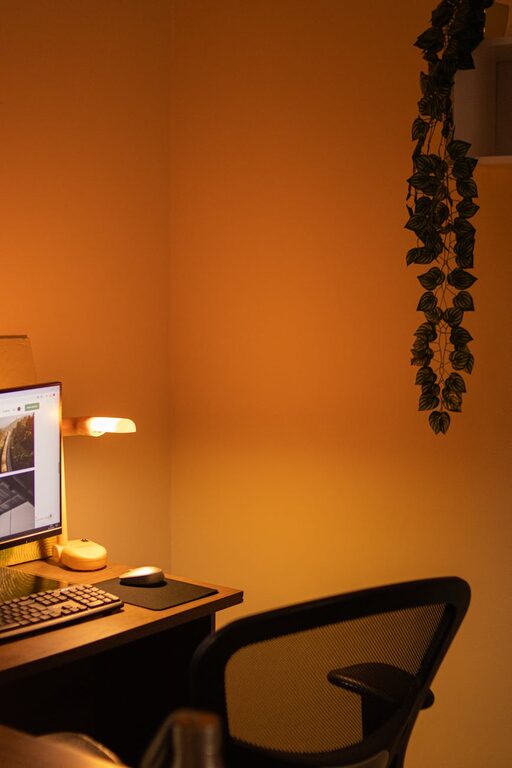
Creating a relaxing home workspace is essential for maintaining productivity and comfort, especially as more people work remotely. A well-designed workspace not only helps you focus better but also reduces stress and supports your overall well-being. In this post, we’ll explore practical tips to transform any area of your home into a peaceful, efficient work zone.
Why a Relaxing Workspace Matters
Your work environment greatly influences how you feel and perform. A cluttered or uncomfortable space can lead to distractions and fatigue, while a thoughtfully arranged area promotes concentration and motivation. When your workspace feels inviting and calming, it’s easier to settle into your tasks and maintain a steady workflow.
Choosing the Right Location
Find a Quiet Spot
Start by selecting a space away from household noise and frequent interruptions. If possible, choose a room with a door to signal work hours and separate your professional and personal life.
Use Natural Light
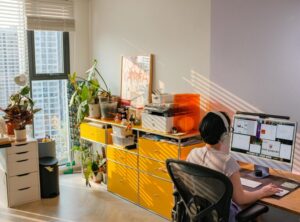
Places near windows provide natural light, which boosts mood and reduces eye strain. Position your desk so sunlight comes from the side rather than directly behind or in front of your screen to avoid glare.
Furniture That Supports Comfort and Productivity
Invest in an Ergonomic Chair
Comfortable seating with proper back support is key. An adjustable chair helps you maintain good posture, preventing aches and fatigue throughout the day.
Desk Height and Space
Choose a desk at a height where your forearms rest parallel to the floor. Ensure there’s enough surface area for your computer, notebook, and other essentials without feeling cramped.
Add Adjustable Equipment
Consider accessories like a monitor stand, keyboard tray, or footrest to customize your setup for better comfort and ergonomics.
Organize to Minimize Clutter
Keep Only Essentials on Your Desk
Limit items to what you use daily. This avoids visual clutter and distractions.
Use Storage Solutions
Drawers, shelves, or desktop organizers help keep paperwork, supplies, and gadgets neatly stored but easily accessible.
Establish Daily Cleanup Habits
Spend a few minutes tidying your workspace at the end of each day. This habit refreshes your environment and prepares you for the next work session.
Create a Calming Atmosphere
Choose Soothing Colors
Colors like soft blues, greens, or neutral tones promote relaxation and focus. Avoid overly bright or intense shades that may cause stress or fatigue.
Incorporate Natural Elements
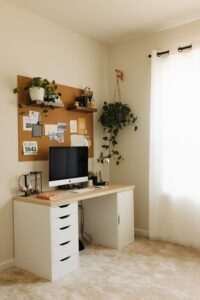
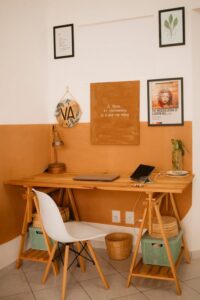
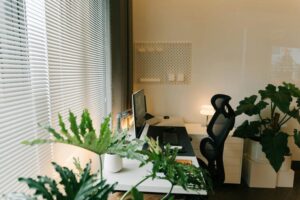
Plants, flowers, or natural materials like wood add warmth and reduce tension. Even a small potted plant can improve air quality and create a pleasant workspace vibe.
Control Lighting
Use adjustable lamps with warm light to reduce harshness during early mornings or evenings. Soft lighting helps you feel relaxed while working.
Manage Noise and Improve Focus
Use Noise-Canceling Headphones
If background noise is unavoidable, noise-canceling headphones can help you concentrate better.
Play Background Sounds
Many people find low-volume instrumental music, white noise, or nature sounds help them focus.
Set Boundaries with Household Members
Communicate your work hours to minimize interruptions, helping maintain a peaceful environment.
Personalize Your Space
Add Inspiring Decor
Displaying photos, artwork, or motivational quotes can keep you inspired and motivated.
Keep Comfort Items Nearby
A cozy blanket, a favorite mug, or a comfortable cushion can make your workspace feel inviting and support your well-being.
Take Regular Breaks
Stand Up and Stretch
Regular movement prevents stiffness and improves circulation.
Step Outside
Short walks or fresh air breaks boost mood and help clear your mind.
Use Timers or Apps
Tools like the Pomodoro technique encourage focused work intervals followed by short rest periods.
Technology Tips for a Relaxing Workspace
Manage Cables
Use clips, ties, or a cable organizer to keep cords neat and out of the way.
Optimize Screen Settings
Adjust brightness and use blue light filters to reduce eye strain during long hours.
Keep Devices Updated
Smooth-running software prevents frustrations caused by slow or unresponsive technology.
—
Creating a relaxing home workspace is about blending function and comfort. By paying attention to your environment, organization, lighting, and personal touches, you can build a space that supports productivity while keeping you calm and focused. Try implementing these tips gradually to discover what works best for you, and enjoy the benefits of a well-designed home office.